Inventory and Ordering
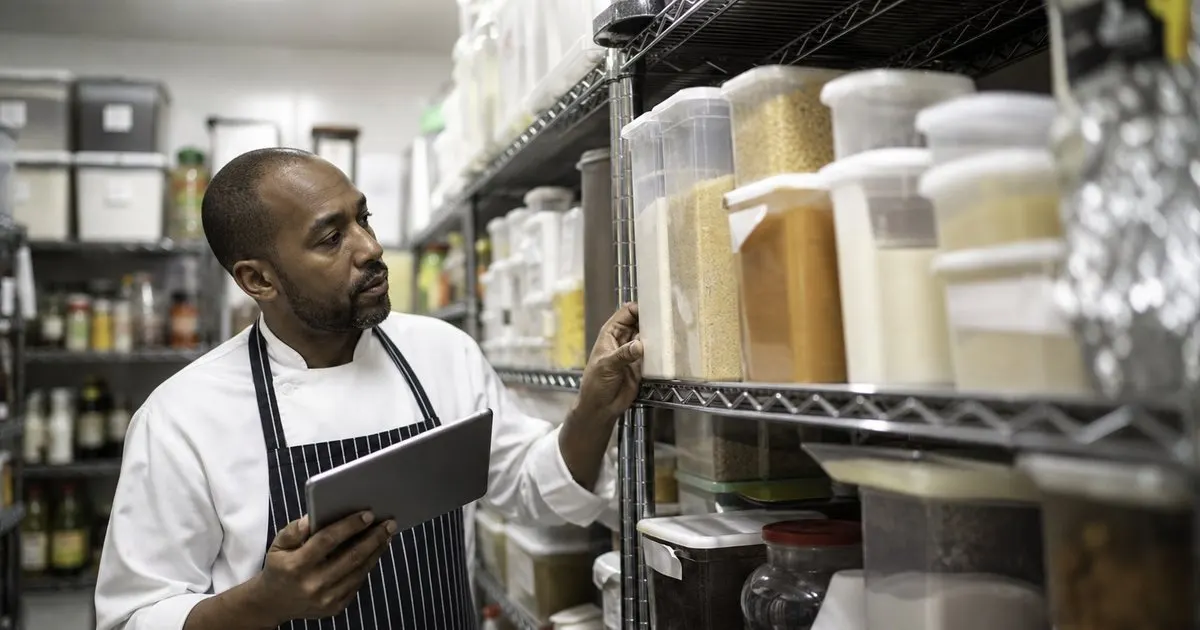
How do you set par levels for restaurant inventory that actually hold up?
Build pars that prevent stockouts without burying cash in the walk-in.
Practical, honest advice from the team behind ParLevelr, written to help you do this well.
Build pars that prevent stockouts without burying cash in the walk-in.

Make the weekly count quick and consistent enough to trust.
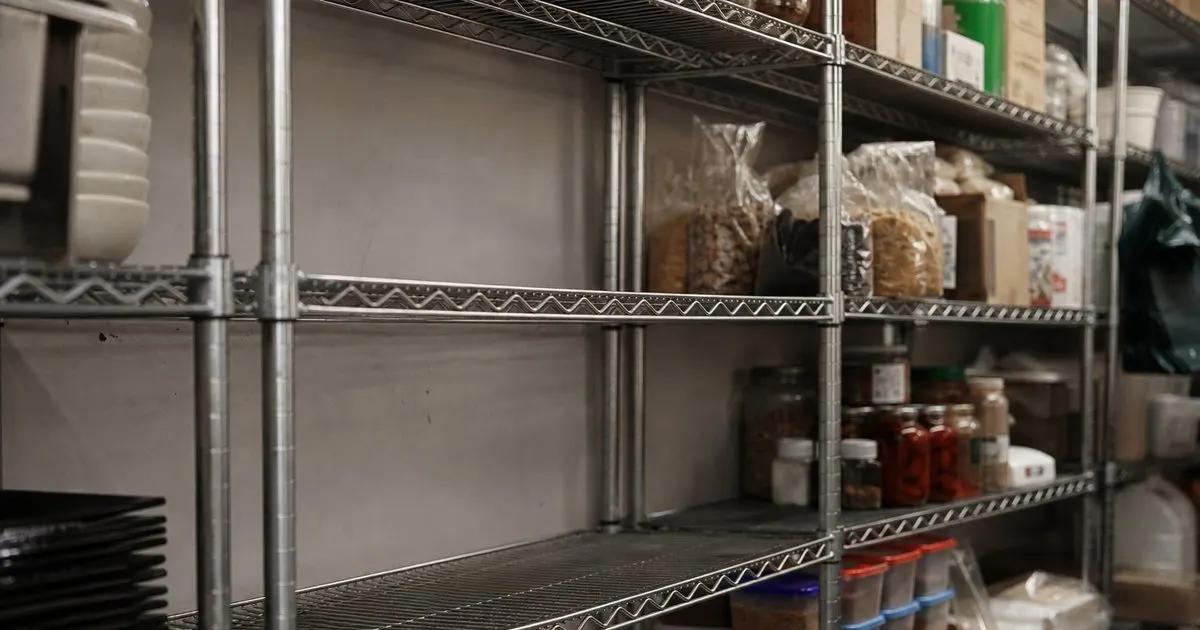
Catch a low item while there is still time to reorder it.
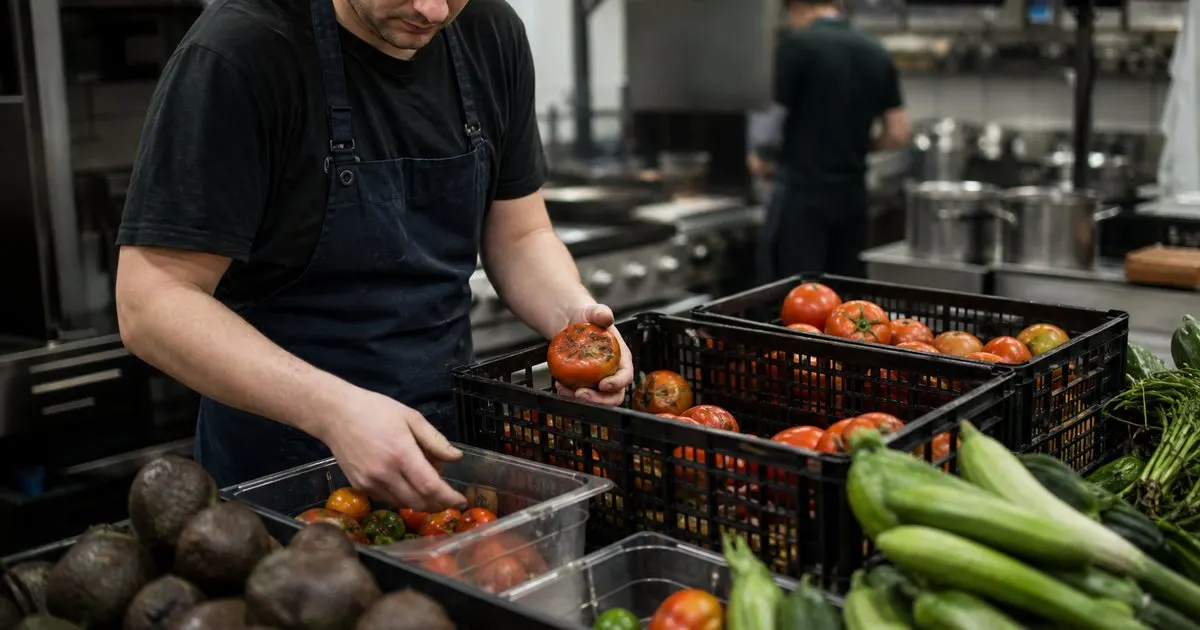
Trim dead stock and spoilage while keeping the line fully supplied.

Turn a messy reorder into clean, vendor-ready lists you can send fast.

Let real consumption data pull your pars to the correct level.
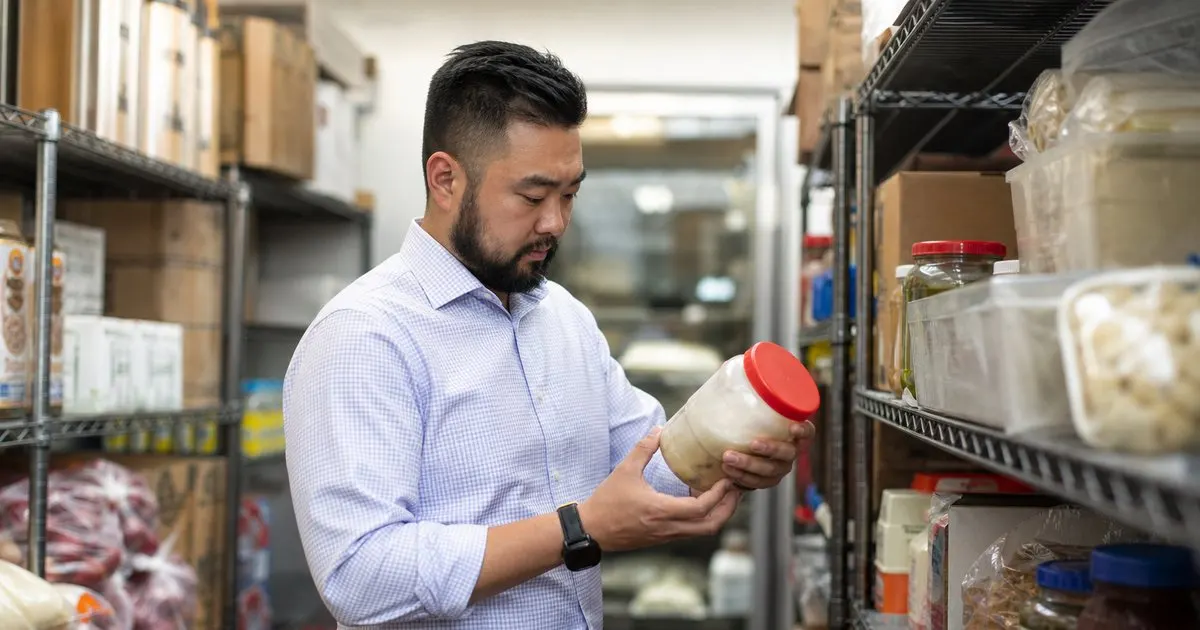
Keep each location right-sized while still ordering smart as a group.
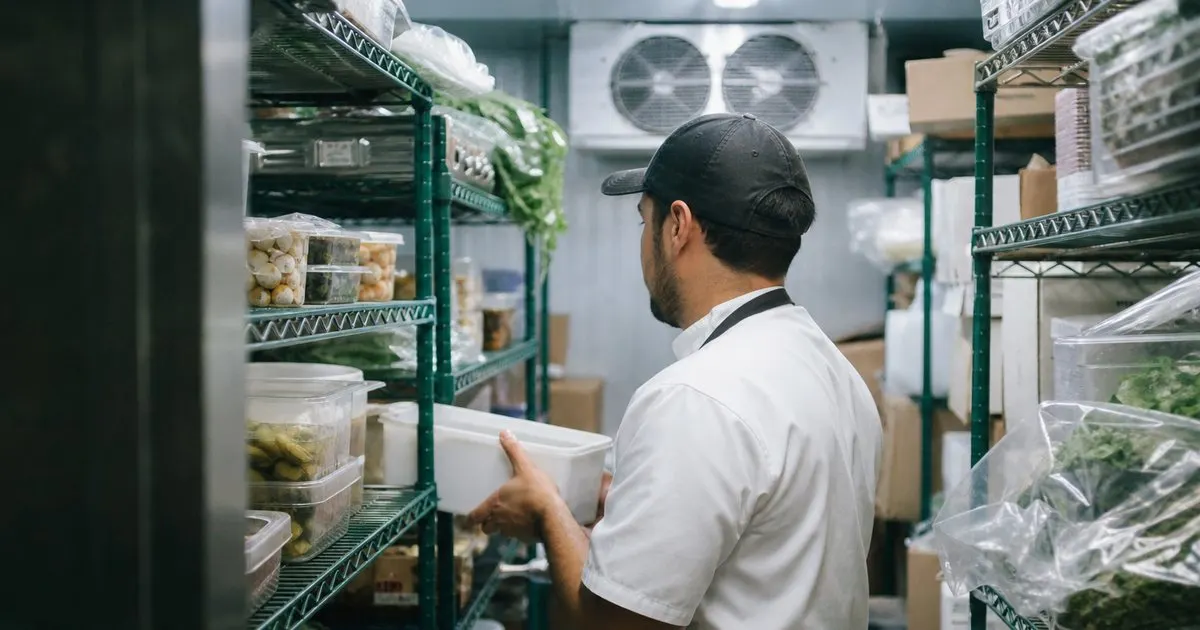
Understand how excess stock quietly drains a restaurant's cash flow.
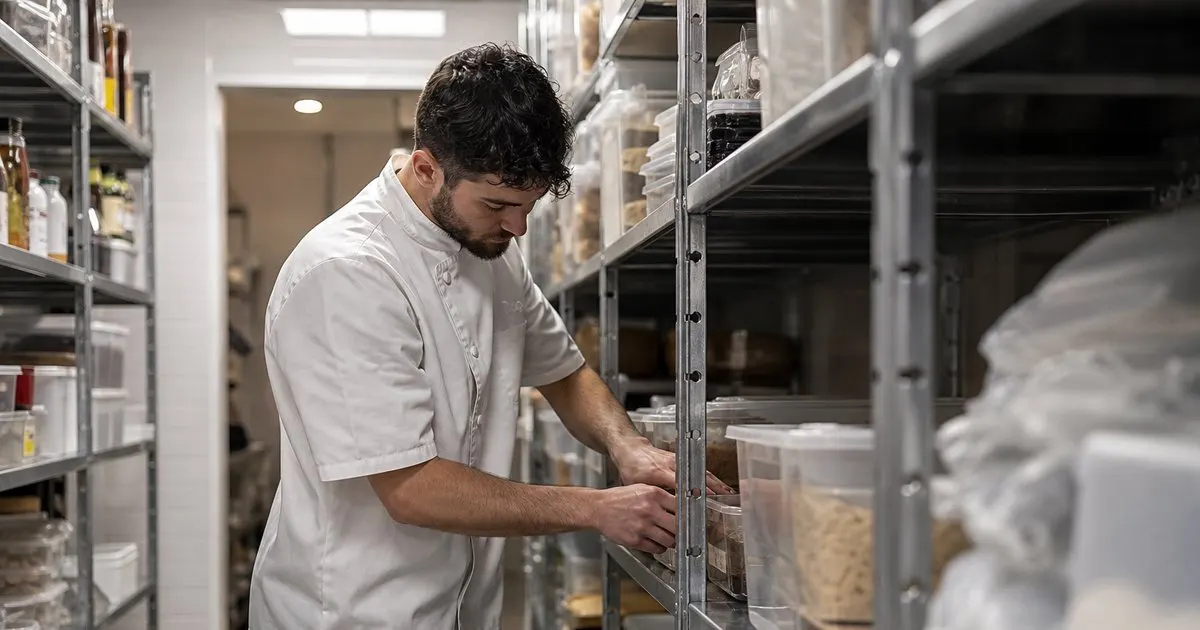
Move from gut feel to a working par and count system step by step.

Menu changes quietly break par levels. Here is how far ahead to adjust, which items to touch first, and how to avoid a walk-in full of ingredients nobody uses anymore.
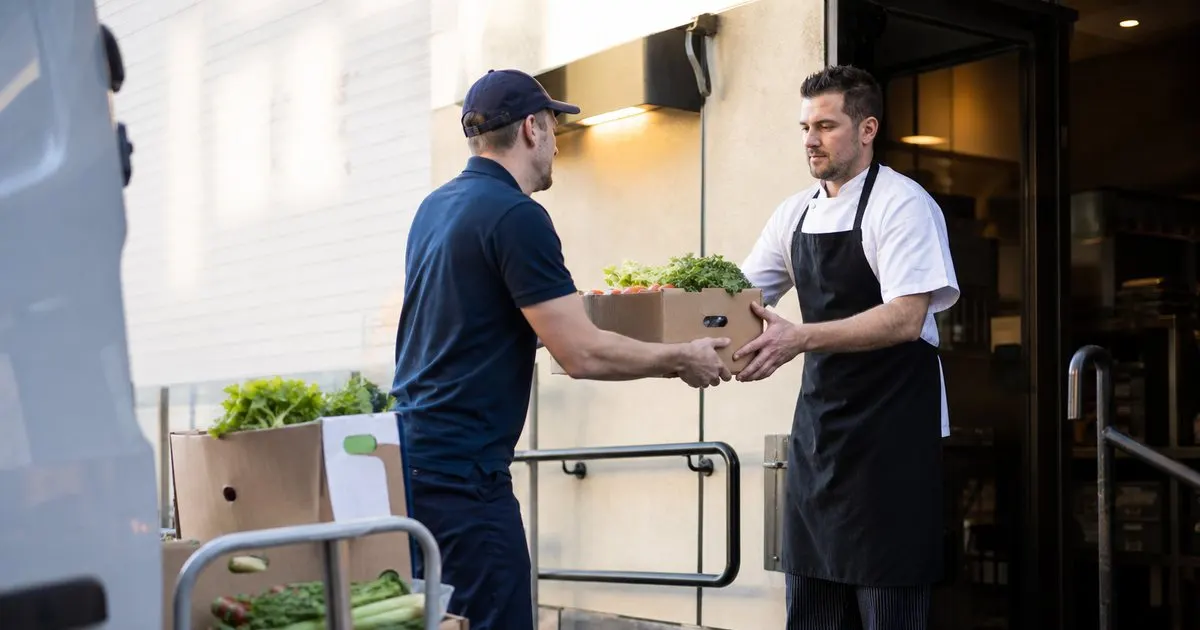
Most inventory errors are born at the back door, not during the count. A tight receiving routine keeps your on-hand numbers trustworthy between counts.

Bar inventory follows different rules than the kitchen. Here is how to set pars by category, handle partial bottles, and keep the well stocked without a back bar full of dust.
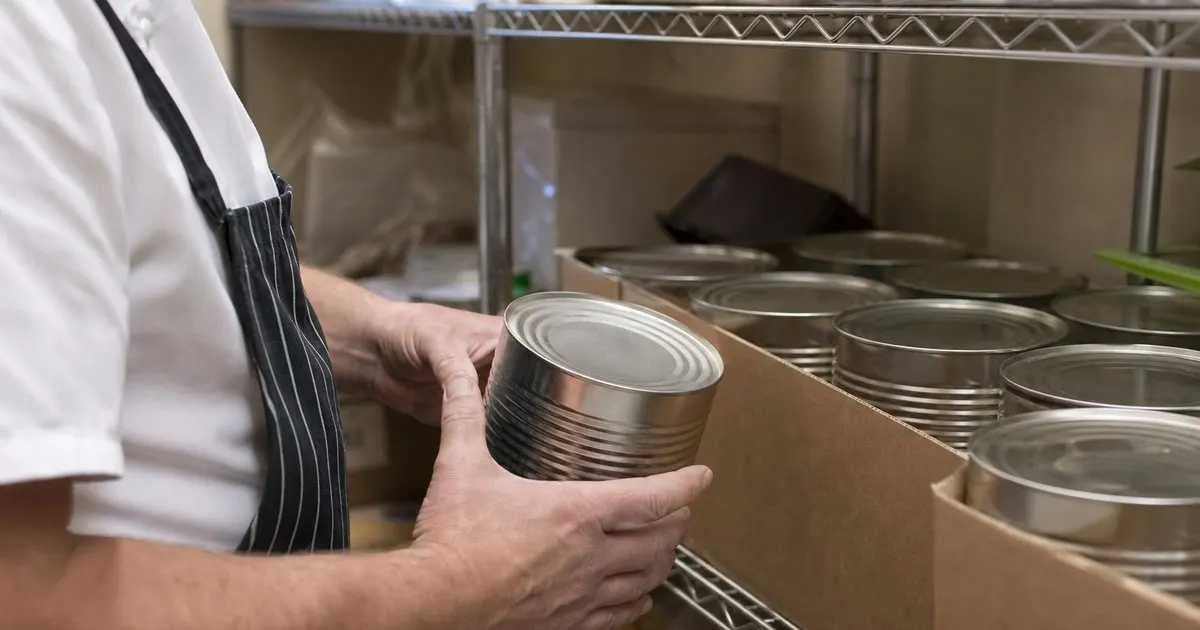
Cases, each, pounds, and portions all describe the same box in different ways. When they get mixed, counts look fine and the numbers lie.

A count is only as good as the least trained person doing it. Here is a short, repeatable way to teach counting so the numbers stay consistent when the chef is off.
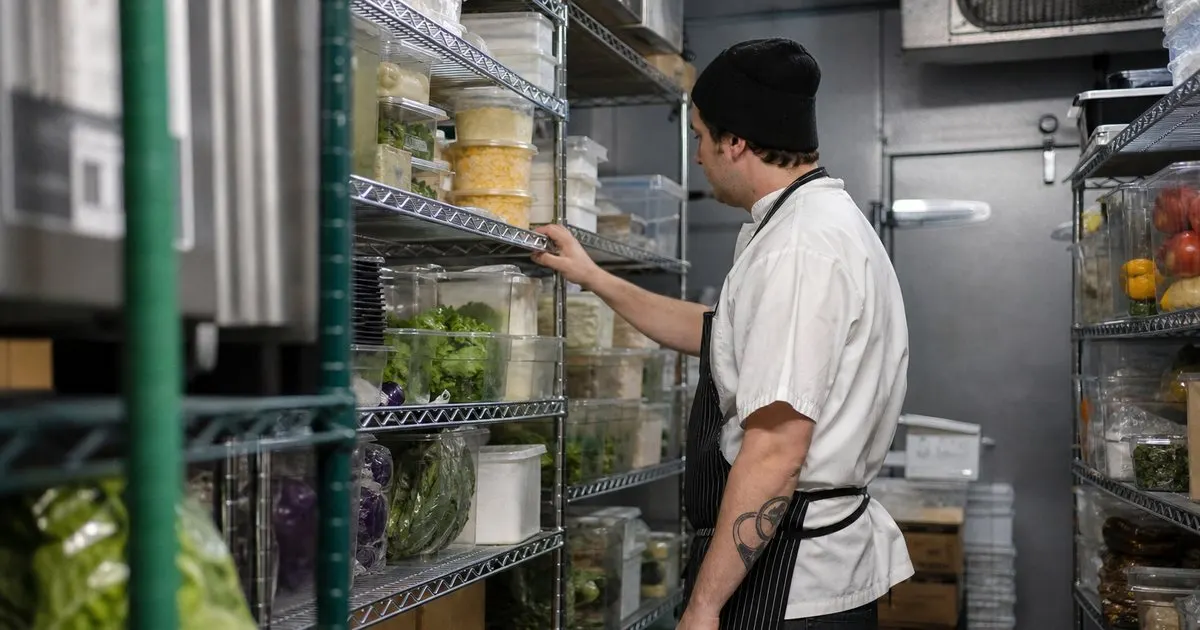
Par already includes a buffer, so extra safety stock is a deliberate choice, not a default. Here is how to decide how much, on which items, and when to hold none at all.
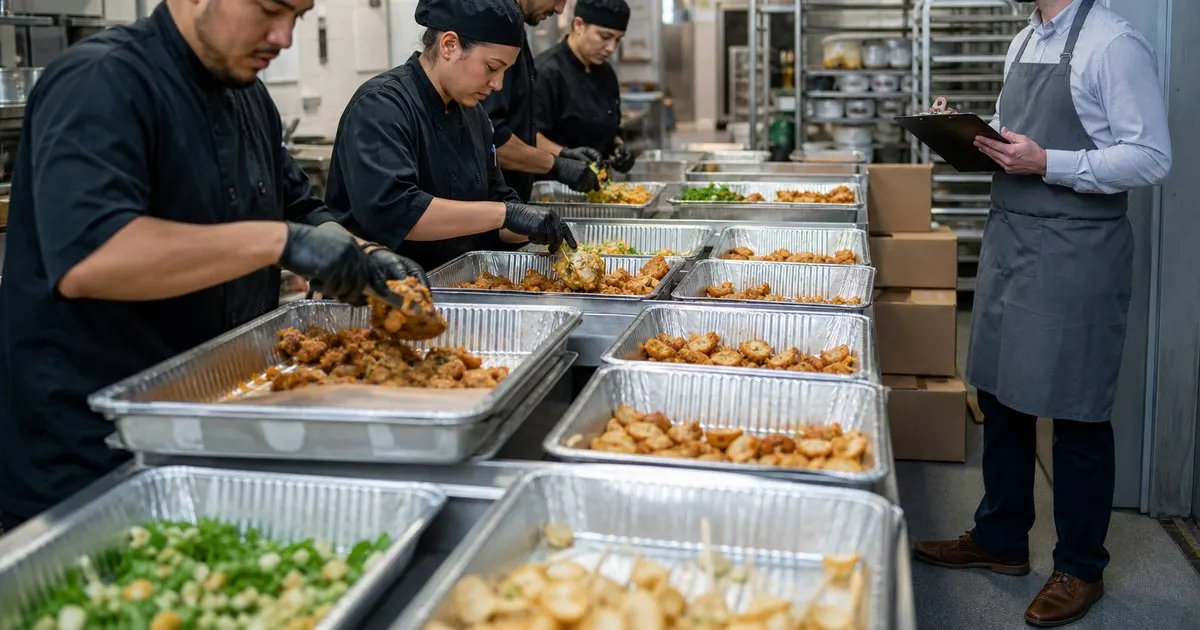
A big event order can drain a week of stock in a day. Here is how to plan the buy, keep the regular line supplied, and keep the numbers clean afterward.
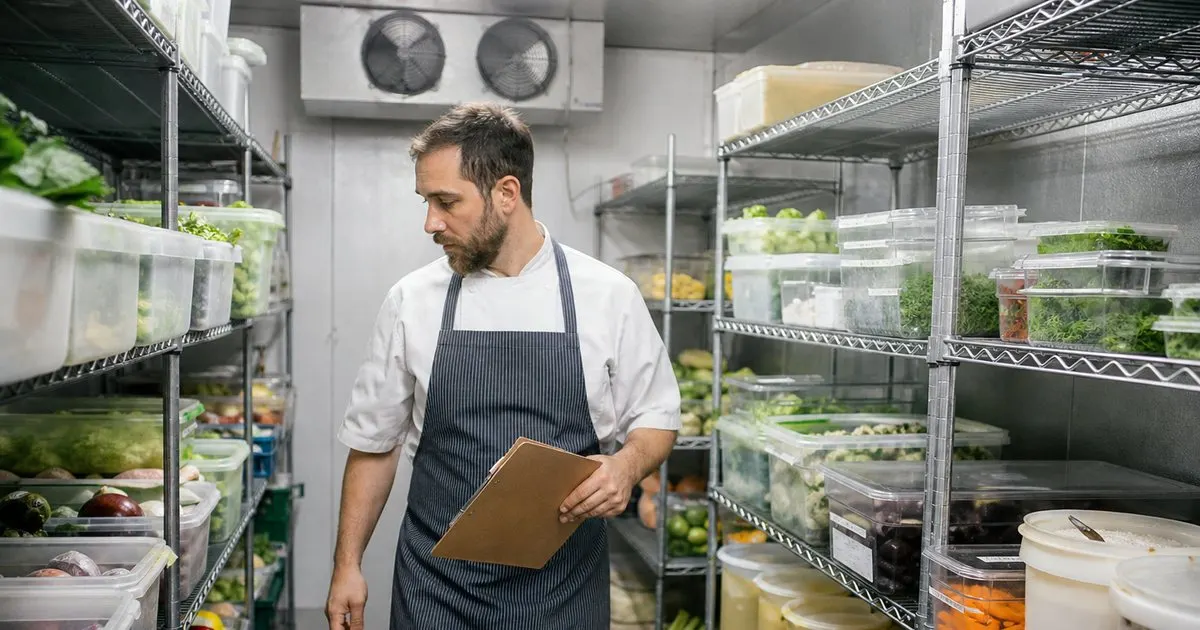
A count follows the shelves. If the shelves are organized for counting, the count takes far less time and the numbers hold up. Here is a layout that works in most kitchens.
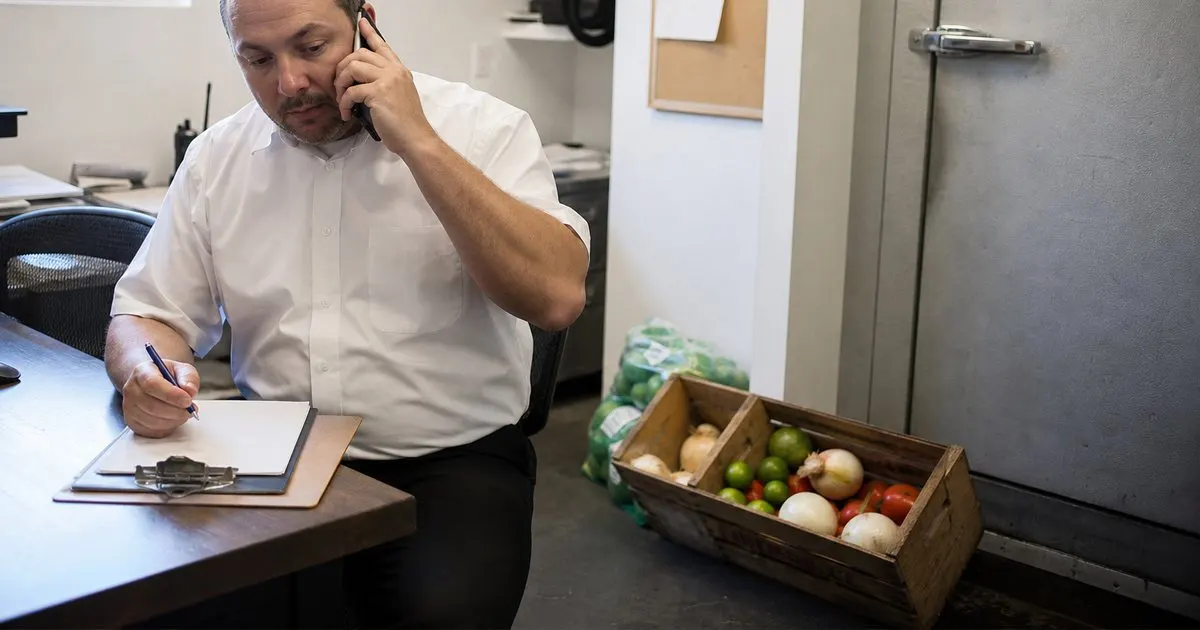
Shorts and schedule changes are normal. What matters is having a routine for the same day, a backup for the week, and a par adjustment for the long run.
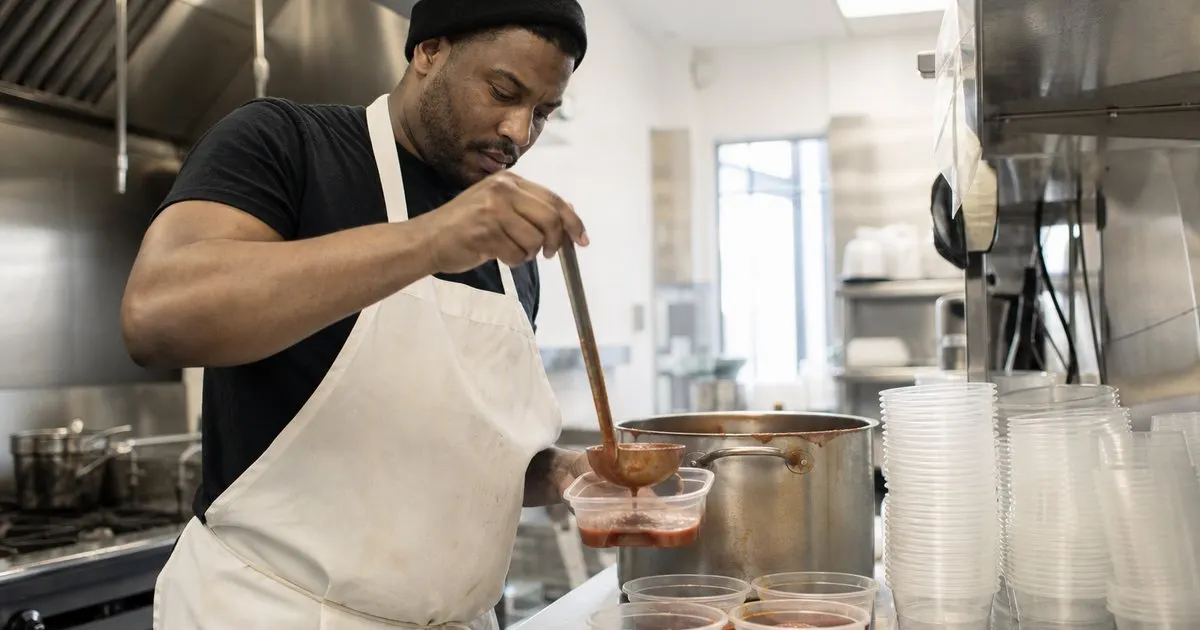
Prep pars are production targets, not purchase targets. Here is how to build them from menu mix, batch yield and shelf life so cooks make the right amount every morning.
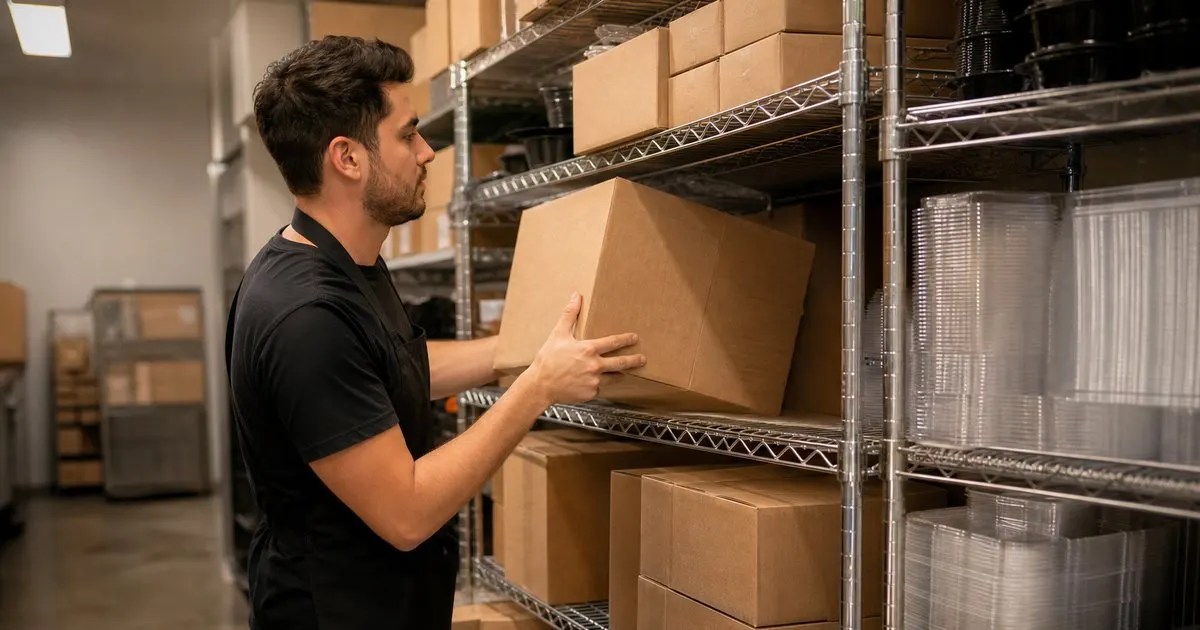
Non-food supplies stop service as fast as a missing protein, but they usually have no owner and no reorder trigger. Here is how to put real pars on packaging, paper and chemicals.