Why does the cash tied up in inventory matter as much as food cost?
Understand how excess stock quietly drains a restaurant's cash flow.
Every case in the walk-in is money already spent that you cannot use elsewhere, so overstocking parks cash where it does nothing and risks spoiling before you sell it. For a small operator that trapped cash can decide a tight week. Watch your turns to keep stock working, not sitting.
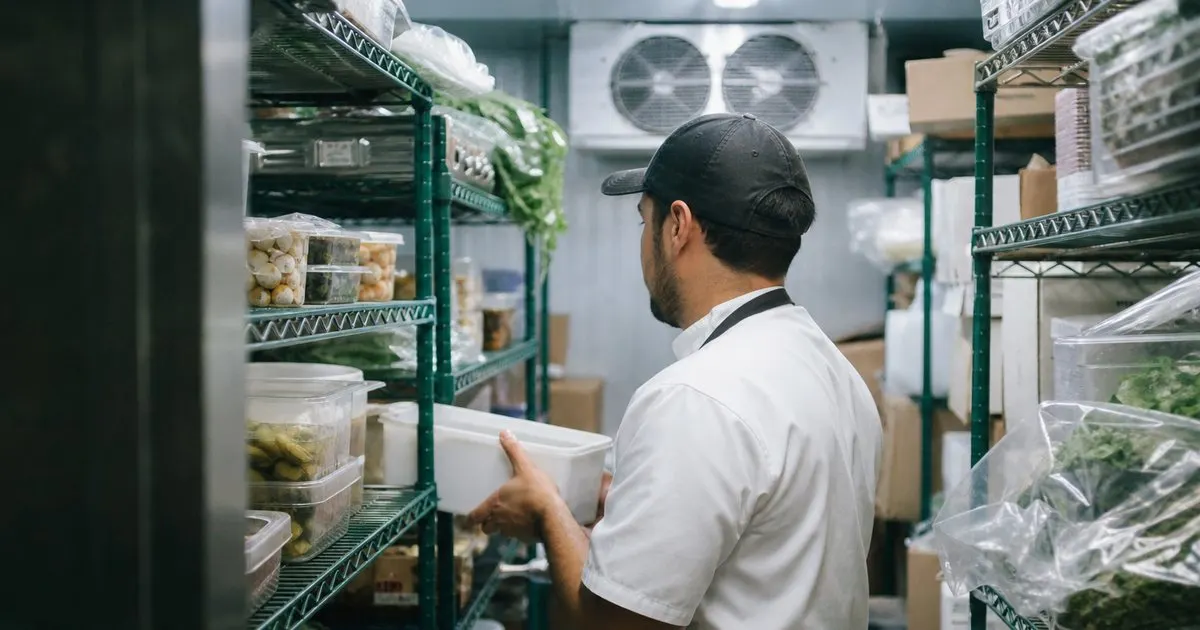
Stock is cash on a shelf
Every case in the walk-in is money you have already spent but cannot use elsewhere. Overstocking parks cash where it does nothing.
For a small operator, that trapped cash is often the difference between a comfortable week and a tight one.
Keep reading: How do you set par levels for restaurant inventory that actually hold up?, What is the fastest way to run accurate weekly inventory counts in a kitchen?, How do reorder alerts prevent stockouts before they hit the line?. See how ParLevelr helps you restaurant inventory par levels and reorder alerts.
Excess stock ages
Cash tied up in stock is not just idle, it is at risk, because product spoils and prices shift. Aging inventory can lose value before you sell it. Related: How do you set par levels for restaurant inventory that actually hold up?
Leaner pars free that cash and shrink the pile that might spoil, protecting both liquidity and food cost.
Turns tell the story
How often you sell through your inventory, your turns, reveals whether stock is working or sitting. Low turns signal cash stuck on the shelf. Related: Why does unit of measure confusion wreck restaurant inventory numbers so often?
Watching turns alongside food cost gives a fuller picture of how healthy your buying really is.
Free cash without stocking out
The aim is to release trapped cash while keeping the line supplied, which comes down to accurate pars and steady ordering. Related: How do you manage inventory pars across multiple restaurant locations cleanly?
Right-sized pars and reorder discipline let you run leaner on cash without ever running dry on product.
- Inventory is cash sitting on a shelf
- Excess stock ages and loses value
- Watch turns alongside food cost
- Right-size pars to free cash safely

Julien Jimenez
Julien Jimenez is an independent software builder based in Paris. He designs, ships, and operates focused SaaS products for small businesses and independent professionals. Read the full author page.
Frequently asked questions
What do inventory turns tell a restaurant?
Turns show how often you sell through your inventory, revealing whether stock is working or just sitting. Low turns signal cash stuck on the shelf, so watching turns alongside food cost gives a fuller picture of buying health.
How do you free up cash without running out of product?
Right-sized pars and steady reorder discipline let you run leaner on cash while keeping the line supplied. Accurate pars release the trapped cash and shrink the pile that might spoil, protecting both liquidity and food cost.
Never Run Out And Never Over Order
Restaurant inventory par levels and reorder alerts. ParLevelr is built to help you put this into practice.
Start free trialMore from the ParLevelr blog
How do you set par levels for restaurant inventory that actually hold up?
What is the fastest way to run accurate weekly inventory counts in a kitchen?
How do reorder alerts prevent stockouts before they hit the line?
Get the ParLevelr playbook
Practical guides on inventory and ordering, straight to your inbox as we publish them. No spam, unsubscribe any time.