How do you manage inventory pars across multiple restaurant locations cleanly?
Keep each location right-sized while still ordering smart as a group.
Set pars per location, tuned to each store's real usage, since two locations rarely share the same volume or menu mix. Standardize the method for setting and reviewing pars, not the exact numbers. Roll up orders across stores for buying leverage, and compare locations to spread the best practices.
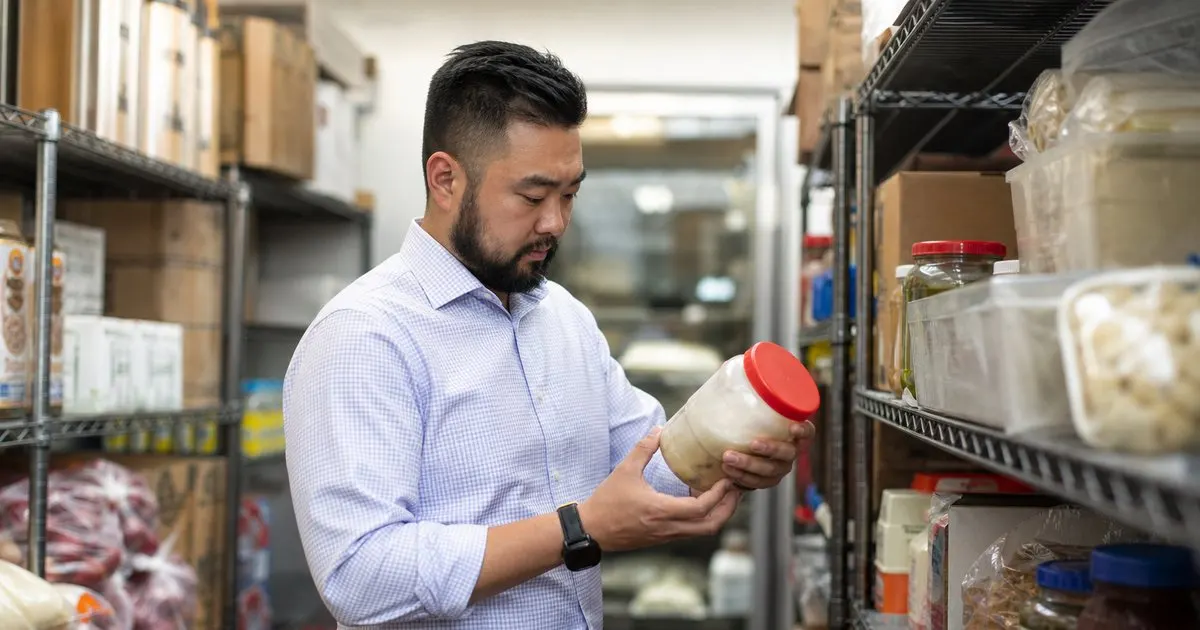
Each location is different
Two locations rarely share the same volume, menu mix, or storage, so a single par set does not fit both. Forcing one par creates waste at one and shortages at the other.
Pars should be per location, tuned to that store's real usage, even when the concept is identical on paper.
Keep reading: How do you set par levels for restaurant inventory that actually hold up?, What is the fastest way to run accurate weekly inventory counts in a kitchen?, How do reorder alerts prevent stockouts before they hit the line?. See how ParLevelr helps you restaurant inventory par levels and reorder alerts.
Standardize the method, not the number
What should be shared across locations is the method, how you set and review pars, not the exact quantities. Consistent method, local numbers.
That balance keeps every store disciplined while respecting that each one runs at its own pace.
Order smart as a group
Even with separate pars, ordering can roll up so the group gains buying leverage. Consolidated orders can earn better vendor terms. Related: What is the best way to organize vendor order sheets across several suppliers?
The trick is combining need across stores without erasing each location's individual par and count.
Compare to learn
Side-by-side reporting shows why one location wastes more or stocks out more often. Those comparisons surface fixable habits.
Learning from the best-run store and spreading its practice is where multi-unit inventory really pays off. Related: Why does unit of measure confusion wreck restaurant inventory numbers so often?
- Set pars per location, not one size
- Standardize method, localize numbers
- Roll up orders for buying leverage
- Compare locations to spread best practice

Julien Jimenez
Julien Jimenez is an independent software builder based in Paris. He designs, ships, and operates focused SaaS products for small businesses and independent professionals. Read the full author page.
Frequently asked questions
Should every location use the same par numbers?
No. Two locations rarely share volume, menu mix, or storage, so one par set creates waste at one store and shortages at the other. Pars should be per location, even when the concept is identical on paper.
How can separate pars still gain group buying power?
Even with per-location pars, ordering can roll up so the group earns better vendor terms. The trick is combining need across stores for leverage without erasing each location's individual par and count.
Never Run Out And Never Over Order
Restaurant inventory par levels and reorder alerts. ParLevelr is built to help you put this into practice.
Start free trialMore from the ParLevelr blog
How do you set par levels for restaurant inventory that actually hold up?
What is the fastest way to run accurate weekly inventory counts in a kitchen?
How do reorder alerts prevent stockouts before they hit the line?
Get the ParLevelr playbook
Practical guides on inventory and ordering, straight to your inbox as we publish them. No spam, unsubscribe any time.