How can better inventory control cut food waste without risking stockouts?
Trim dead stock and spoilage while keeping the line fully supplied.
Waste and stockouts pull opposite ways, and accurate pars walk the line between them by setting just enough stock. Right-size inflated pars using usage data to cut spoilage, order to the gap between par and count rather than habit, and rotate stock first in, first out.
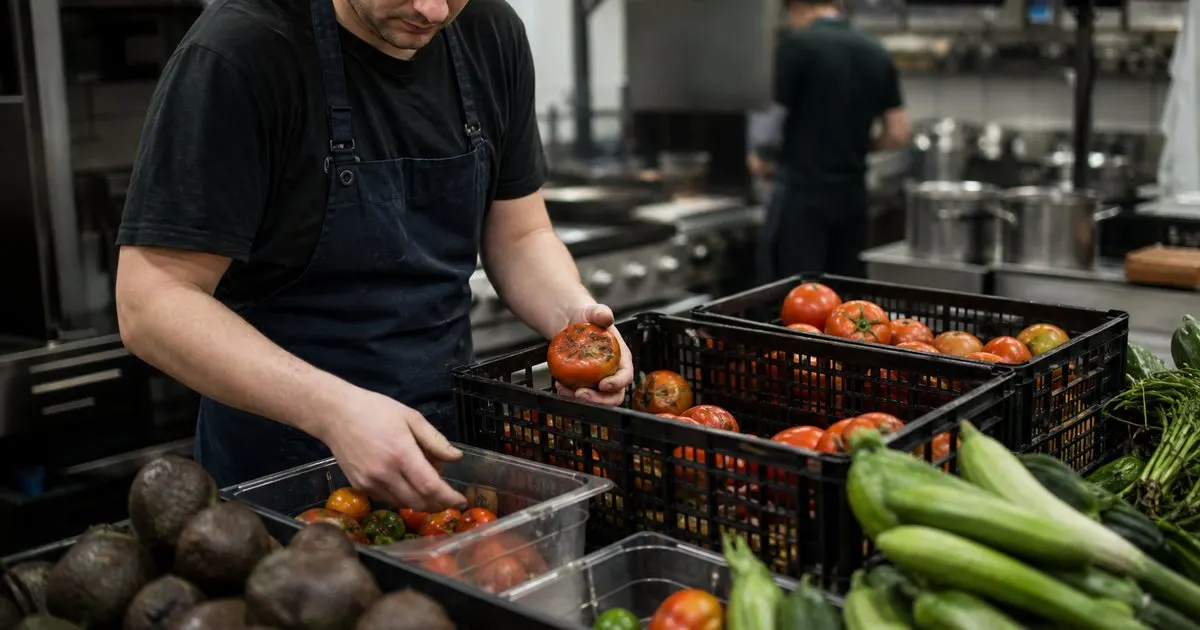
Waste and stockouts pull opposite ways
Order too much and food spoils, order too little and you run out. Good inventory control walks the line between the two. Related: How do reorder alerts prevent stockouts before they hit the line?
The tool for both is accurate pars, which set just enough stock to cover demand without piling up excess.
Keep reading: How do you set par levels for restaurant inventory that actually hold up?, What is the fastest way to run accurate weekly inventory counts in a kitchen?, How do reorder alerts prevent stockouts before they hit the line?. See how ParLevelr helps you restaurant inventory par levels and reorder alerts.
Right-size the pars
Overstuffed pars are the main source of spoilage, because product sits past its prime before you can use it. Trimming those pars cuts waste directly. Related: What should a kitchen manager do when a large catering order blows past pars?
Usage data shows which pars are inflated, so you can lower them with confidence rather than fear.
Order to usage, not habit
Ordering the same quantity out of habit ignores that demand changes week to week. Habit-based orders create both waste and shortages. Related: What should a restaurant do when a vendor shorts an order or changes lead times?
Ordering to the gap between par and count ties every order to real need, which is where waste quietly falls.
Rotate and watch dates
Even perfect pars waste product if stock is not rotated first in, first out. Discipline on the shelf protects the savings on the order.
Watching the fast agers and rotating strictly keeps spoilage down without forcing you to under order.
- Waste and stockouts are opposite risks
- Right-size inflated pars to cut spoilage
- Order to real usage, not habit
- Rotate stock first in, first out

Julien Jimenez
Julien Jimenez is an independent software builder based in Paris. He designs, ships, and operates focused SaaS products for small businesses and independent professionals. Read the full author page.
Frequently asked questions
Why is ordering by habit a source of waste?
Ordering the same quantity out of habit ignores that demand changes week to week, creating both waste and shortages. Ordering to the gap between par and count ties every order to real need, which is where waste quietly falls.
Does rotation matter if pars are already right?
Yes. Even perfect pars waste product if stock is not rotated first in, first out. Discipline on the shelf, watching the fast agers, protects the savings your accurate pars create.
Never Run Out And Never Over Order
Restaurant inventory par levels and reorder alerts. ParLevelr is built to help you put this into practice.
Start free trialMore from the ParLevelr blog
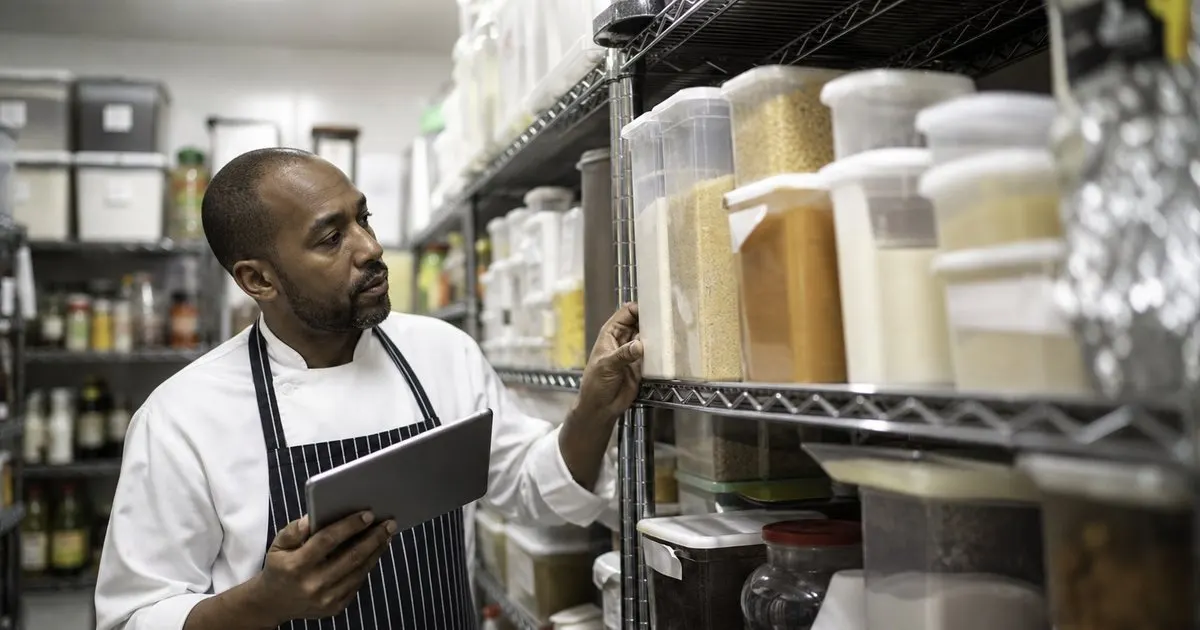
How do you set par levels for restaurant inventory that actually hold up?

What is the fastest way to run accurate weekly inventory counts in a kitchen?
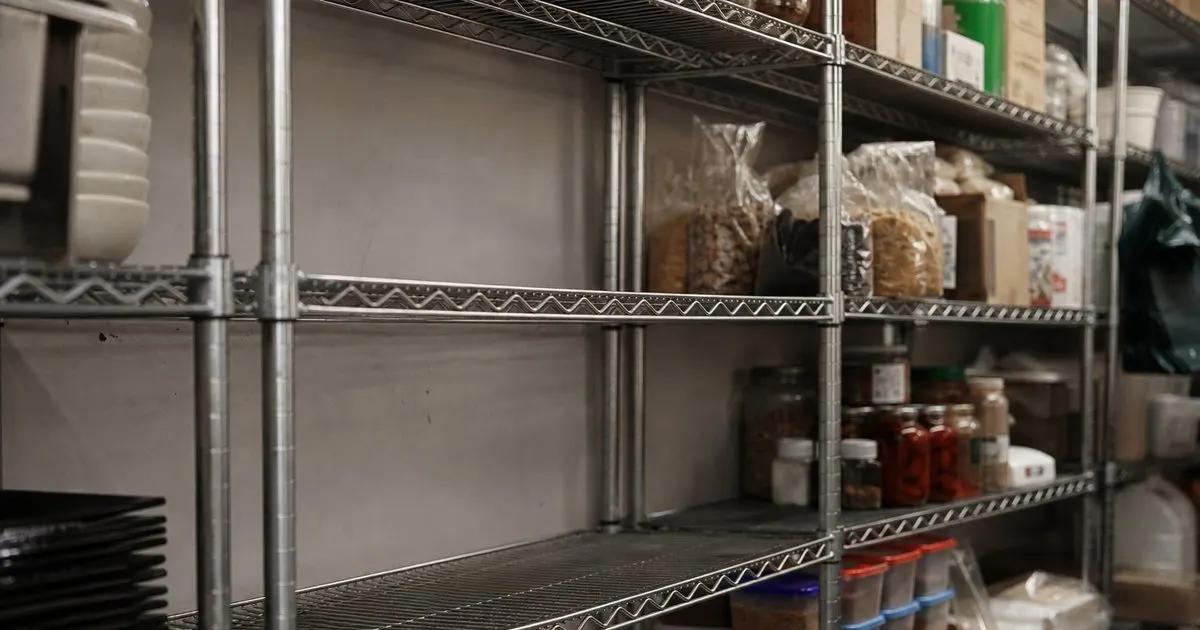
How do reorder alerts prevent stockouts before they hit the line?
Get the ParLevelr playbook
Practical guides on inventory and ordering, straight to your inbox as we publish them. No spam, unsubscribe any time.