When should a restaurant adjust par levels ahead of a seasonal menu change?
Menu changes quietly break par levels. Here is how far ahead to adjust, which items to touch first, and how to avoid a walk-in full of ingredients nobody uses anymore.

Why menu changes break pars faster than anything else
A par level is a bet on future usage. It says, in effect, that this item will move at roughly the pace it moved last month, so keep this much on hand. A menu change tears up that bet for every ingredient the new dishes touch. Items leaving the menu keep getting reordered at their old pars because nobody remembered to lower them, and items joining the menu have no usage history at all, so the par is a guess. Both directions cost money, one in dead stock and the other in stockouts during the launch week when you least want them.
The tricky part is that the damage is spread across dozens of small lines, not one dramatic mistake. A case of a garnish that no longer appears on any plate is easy to miss during a count. A sauce base that used to feed three dishes and now feeds one still looks normal on the shelf. Most kitchens only notice the problem a month later when the walk-in is crowded and the ordering total has not dropped, even though the menu got shorter. Related: How do you manage inventory pars across multiple restaurant locations cleanly?
Keep reading: How do you set par levels for restaurant inventory that actually hold up?, What is the fastest way to run accurate weekly inventory counts in a kitchen?, How do reorder alerts prevent stockouts before they hit the line?. See how ParLevelr helps you restaurant inventory par levels and reorder alerts.
The two week rule for stepping pars down
Start lowering pars on outgoing items about two weeks before the last service on the old menu, not the day after. The goal is to run those items down to near zero right as the menu flips, so the last delivery before the change is small or nonexistent. A practical way to do it is to cut the par roughly in half at the two week mark, then set it to zero or a minimal amount one week out, and use the remaining stock for specials or staff meals if you overshoot.
Be careful with shared ingredients. An item that is disappearing from one dish may still be used by three others, and lowering its par too aggressively creates a stockout for dishes that never changed. Before you touch any par, list which menu items use each ingredient. Only the ingredients whose total usage is genuinely dropping should get lowered, and for those you can estimate the new usage by subtracting the portion size times the expected sales of the dish that is leaving. Related: How do reorder alerts prevent stockouts before they hit the line?
Setting first pars on new ingredients without data
New items have no usage history, so build the first par from the recipe instead. Take the portion size, multiply by a conservative estimate of how many of that dish you expect to sell per day, then multiply by the number of days between deliveries plus a buffer of one to two days. That gives a starting par that is grounded in something real rather than a round number picked in a hurry. Write the assumption down next to the par so you remember what you were guessing later. Related: How does tracking usage help you right-size par levels over time?
Expect the first two or three weeks to be noisy. A new dish often sells above its long-term rate in the first week because servers push it and regulars try it, then settles. Resist the temptation to raise the par after one strong week. Instead, count the new ingredients more often than usual, typically every delivery cycle, and adjust the par only after you have seen two consecutive cycles pointing in the same direction. Once a month of real usage exists, the par can be set the normal way.
A menu change checklist that fits on one page
Three weeks out, print the old and new menus side by side and mark every ingredient as leaving, staying, or new. For leaving items, note their current par and on-hand quantity. For new items, write the recipe-based starting par. For staying items, check whether their usage changes because a dish that used them is gone or a new dish adds demand. This takes about an hour for a typical single-location menu and prevents most of the surprises.
Two weeks out, lower the outgoing pars and place your last full order for those items. One week out, order the new ingredients at their starting pars, plus a small cushion for training and photos if you are shooting the new dishes. On flip day, do a full count so the new menu starts from an accurate baseline. Then, for the next month, review the new items every count and the shared items every other count until the numbers stop moving. If you use software that tracks usage per item, this review is mostly reading a list rather than doing math. Related: What is the fastest way to run accurate weekly inventory counts in a kitchen?
- Start lowering pars on outgoing items about two weeks before the menu flips, not after.
- Check shared ingredients before cutting any par so unchanged dishes do not stock out.
- Build first pars for new items from the recipe and expected sales, then wait two cycles before adjusting.
- Do a full count on flip day so the new menu starts from a clean baseline.

Julien Jimenez
Julien Jimenez is an independent software builder based in Paris. He designs, ships, and operates focused SaaS products for small businesses and independent professionals. Read the full author page.
Never Run Out And Never Over Order
Restaurant inventory par levels and reorder alerts. ParLevelr is built to help you put this into practice.
Start free trialMore from the ParLevelr blog
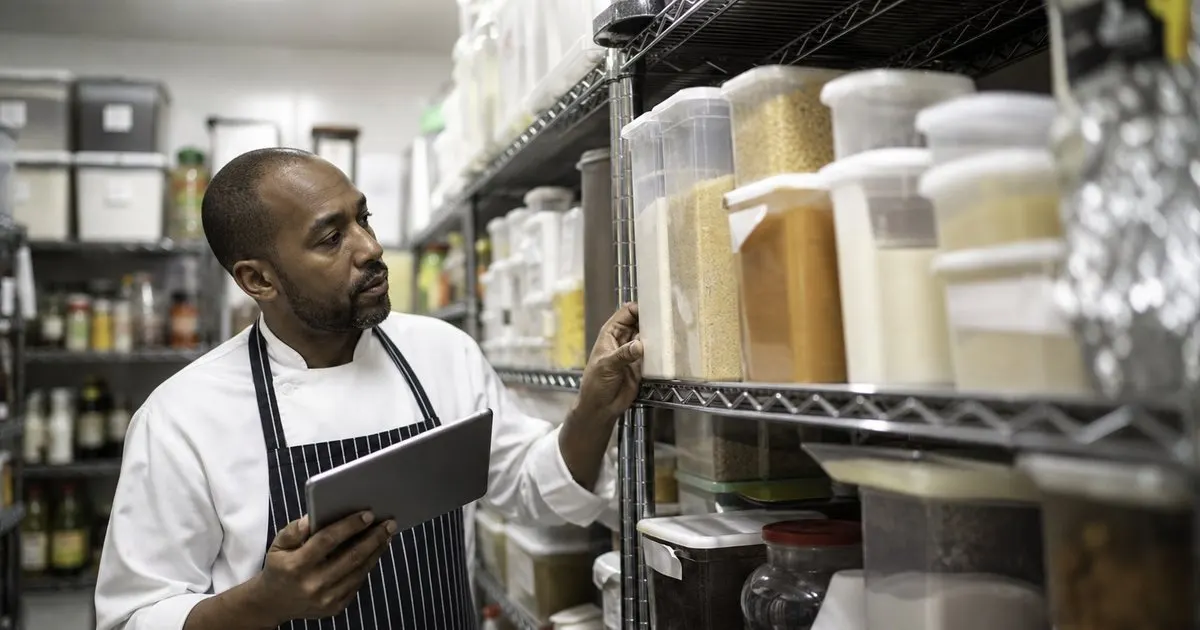
How do you set par levels for restaurant inventory that actually hold up?
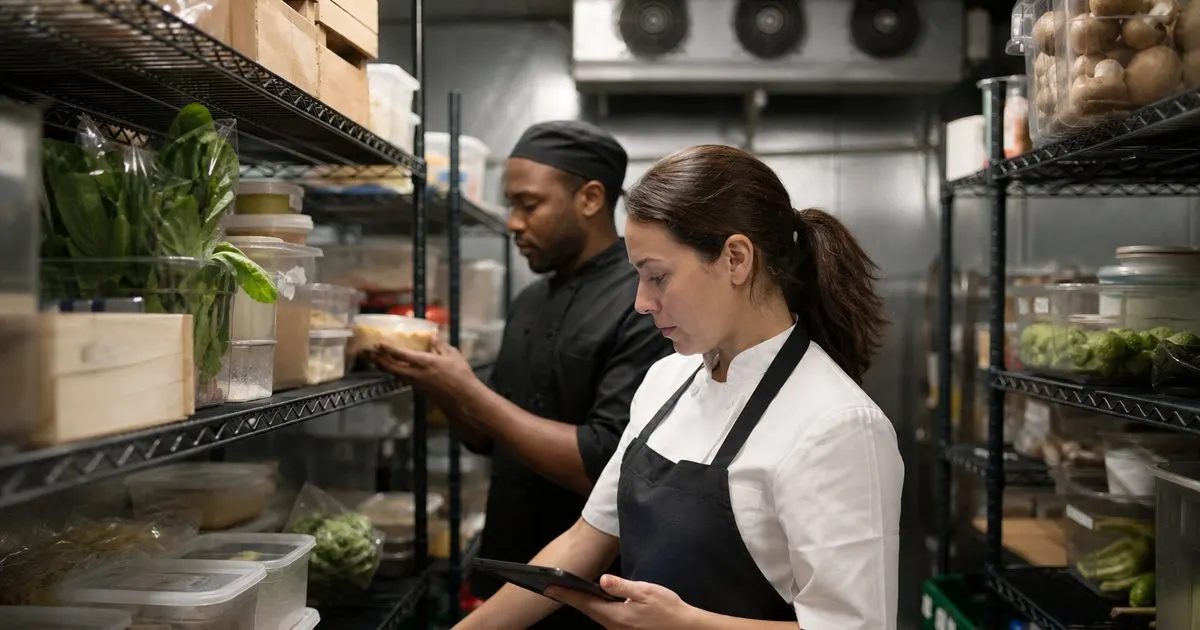
What is the fastest way to run accurate weekly inventory counts in a kitchen?
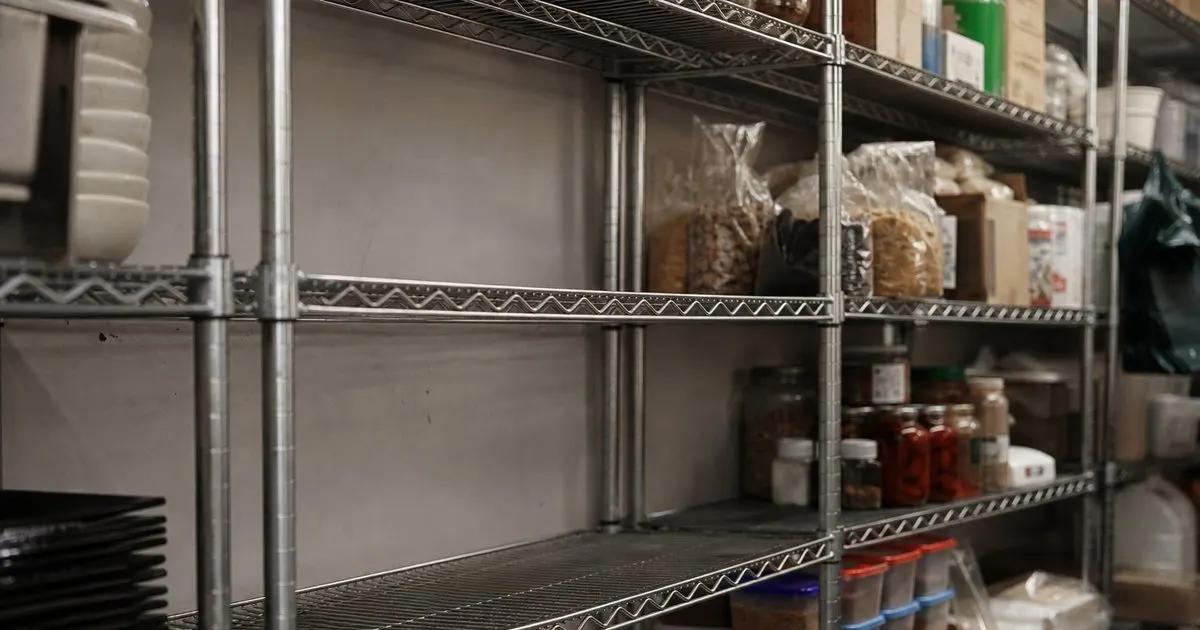
How do reorder alerts prevent stockouts before they hit the line?
Get the ParLevelr playbook
Practical guides on inventory and ordering, straight to your inbox as we publish them. No spam, unsubscribe any time.